PPVS Complete Facilities Management
Get in touch:
 Peterborough:
+44 1733 244414
London:
+44 20 4538 0835
Peterborough:
+44 1733 244414
London:
+44 20 4538 0835
 Email:
info@ppvs-fm.com
Email:
info@ppvs-fm.com


 Quote
Quote  Contact
- Services
 Facilities Management
Facilities management: optimising spaces for safety, efficiency, sustainability.
 Construction
Building success: Comprehensive construction services for your projects.
 Security & Electrical
Securing spaces, powering places: Comprehensive security and electrical services for businesses.
 Waste Management
Waste managed responsibly: Efficient and eco-friendly waste management services.
Home > Uncategorized >
What Is Facilities Management?
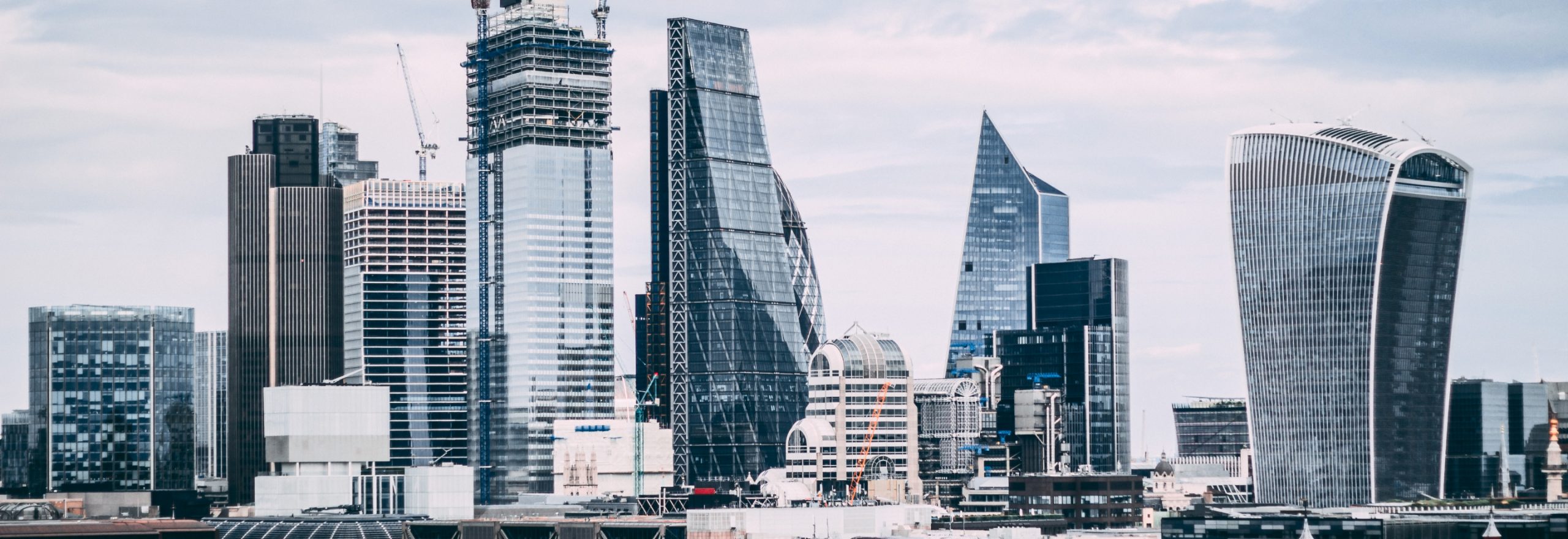
Facilities management is an essential part of all companies. This article explains why and the role a facilities management team will typically play in a business model.

What Does Facilities Management Mean?
Every company is reliant on different services and functions that are vital to ensure that the essential operations of the business can be carried out. The role of the facilities management is to ensure that the right support is available at the right cost and the correct standard of quality.
Essentially, a facilities manager will maintain the different elements of a business which guarantees that it continues to fire on all cylinders. They can work in a range of different environments from hotels to hospitals and logistical centers but their responsibilities will remain the same. Typically, the main focus of discussion surrounding facilities management teams is around their role in commercial office environments.
What are Facilities Management Services?
The role of facilities management teams can cover a wide range of services. For instance, they could be responsible for catering and hospitality in the business, cleaning, security, and reception services. This is certainly not an exhaustive list of all the different services that can be offered by a facilities management team. The team could also be responsible for maintaining the furniture and other parts of a property, keeping it in the right condition.
The activities and services offered by a facilities management company are often referred to as hard or soft. Hard services refer to anything that is related to the building. In contrast, soft services can refer to things that are connected to people and the team working within the business.
What is a Facilities Management Company?
Facilities management can be completed in-house. However, a business can also choose to hire a facilities management company. Essentially, this is an outsourcing service and the company will provide all the roles and services of a facilities management team. For many businesses, this is a great way to reduce the costs of an essential part of a company. Hiring an in-house team can be expensive. If you hire a facilities management company, then it’s possible to reduce the expense and still get the same high quality of service.
Why Facilities Management is Important
Facilities management is important because it ensures that a business continues to operate effectively and ensures there are no issues that could impact productivity. Facilities management teams are also typically responsible for ensuring that there are no issues with health and safety present in the business model. For people in a business to complete their best work and remain productive, they need to be in the right environment. Facilities management ensures that this is taken care of and may even contribute to improving the bottom line of a business.
We hope this helps you understand the crucial role of facilities management in a business and why this is a vital part of a company that should not be overlooked. The right facilities management service could make a business stronger and help guarantee market longevity.
The Latest News & Industry Insight
16.12.24
What is a Disaster Recovery Plan?
A robust Disaster Recovery Plan (DRP) is essential in minimising downtime and ensuring properties - from hotels to real estate assets - resume trading and operations swiftly.
Find out more 

16.12.24
National Shopfitting Works: Quarterly Refreshes and Retrofit Projects
National shopfitting works, undertaken through quarterly refreshes and retrofit projects, help to ensure that retail spaces are both aesthetically pleasing and also functionally up-to-date.
Find out more
16.12.24
National Roll-Out Projects for Planned Maintenance, and Small Works in Facilities Management
Facilities management (FM) covers a broad suite of services and processes that ensure the functionality, comfort, safety, and efficiency of a building and its systems.
Find out more
Home > Uncategorized >
What is Sustainability in Construction?
The construction industry is a significant consumer of natural resources. With growing worries over climate change and the finite nature of these resources, building companies are under increasing pressure to lower their environmental effect. While adopting sustainable construction methods has its hurdles, it also offers several advantages.
What is Meant by Sustainability in Construction?
Sustainable construction entails the use of renewable and recyclable materials in new buildings, as well as reduced energy consumption and waste generation. The major objective of sustainable construction is to reduce the environmental effect of building.
Sustainable construction doesn’t end when a structure is finished; the building’s environmental effect should be less over time. This means that the building’s design should include features that have a continuing beneficial impact on the building’s environmental effect. These would include, for example, appropriate insulation to avoid heat loss, solar panels to reduce energy consumption, and materials with a long service life.
Why is Sustainable Construction Important?
The construction sector has a significant effect on the environment, from energy usage to emissions.
Aside from the fact that there is a risk of development encroaching on wildlife habitats, the construction sector’s energy usage is considerable. Construction still relies heavily on fossil fuels, and even inefficient electricity use might result in the needless burning of fossil fuels further down the energy supply chain. In reality, construction accounts for 36% of global energy consumption and 40% of CO2 emissions.
The production and distribution of materials have a huge impact on carbon emissions and the mining of raw ingredients harms local water tables. The production of concrete has resulted in the emission of over 2.8 billion tonnes of CO2, with 4 billion tonnes of concrete being poured every year, adding to this.
Construction can also generate a variety of hazardous waste, and the improper disposal of such waste may result in environmental pollution as well as detrimental health effects for those living nearby.
How to Make Construction Projects Sustainable
There are numerous methods used to make construction projects more sustainable:
Renewable Energy
There have been significant improvements in the effort to provide renewable energy to construction sites. A popular alternative is a modular battery system that may be put on-site and recharged via installed solar panels. These batteries can power electrical equipment and automobiles, as well as security equipment. When used on larger construction projects, some of these systems can offset one tonne of CO2 per week and 400 litres of diesel, resulting in a significant decrease in pollution.
Building with Sustainable Materials
- Wood – When properly managed, can provide not just building materials but also a habitat for flora and fauna.
- Sustainable concrete – Plastic and recyclables can decrease the production of carbon dioxide by almost 50%.
- Alternatives to bricks – Bricks may be constructed of mud and wool, both of which produce constructions that are just as sturdy without the use of a kiln fire or other harmful pollutants.
Plastic
Plastic’s ability to last indefinitely makes it ideal for construction since its greatest crime against the environment becomes its greatest asset when used in building. The goal of sustainable development is to create structures that endure longer, and the fact that plastic will not degrade ensures that they won’t require as much upkeep or replacement as those built with a decaying material would.
The Challenges of Sustainable Construction
Sustainable construction methods are a long-term commitment, and there are challenges to overcome. The most significant challenge is cost, which will always be a driving force for building organisations to reduce expenditures where possible.
The World Green Building Trends 2018 Smart Market Report revealed that, in the United Kingdom, almost 40% of businesses cited affordability as the most difficult issue they faced when adopting environmentally beneficial construction methods. Almost 50% of companies anticipated green buildings to have a higher initial investment.
When it comes to green construction, many businesses are eager, but they still feel that there is a lot of work ahead. Couple this with 34 % of companies reporting that they must cope with client demand for greener buildings, and you can see how many construction firms are concerned about being caught in the middle of high prices and customer demand.
The Benefits of Sustainable Construction
Of course, implementing environmentally responsible construction practices will help your company lower its environmental impact. However, there are several more tangible advantages that will assist you in demonstrating the worth of sustainable construction outside of environmental issues.
The Worth of Your Building Will Increase
We’ve already covered the potentially higher up-front expenditures involved in sustainable construction, but the benefits might be worth it. According to data, “green” buildings have a 7% higher value than traditional structures.
Construction firms can use this information to reduce expenses in tenders, and the data might also be used to help offset any future expenses associated with green construction. Building owners can anticipate a higher return on investment as well as the accolades that come with operating a sustainable structure.
Lower Operating Costs
The fact is that green construction has lower operational costs. In reality, according to research, the use of cutting-edge sustainable technologies in building processes may save up to £350 billion a year on global energy expenditures.
There are further cost savings for your company if you cut waste; for example, you will save money on the fees charged by your waste management firm. You will also save money on fuel costs by switching to more efficient vehicles.
The Latest News & Industry Insight
16.12.24
What is a Disaster Recovery Plan?
A robust Disaster Recovery Plan (DRP) is essential in minimising downtime and ensuring properties - from hotels to real estate assets - resume trading and operations swiftly.
Find out more
16.12.24
National Shopfitting Works: Quarterly Refreshes and Retrofit Projects
National shopfitting works, undertaken through quarterly refreshes and retrofit projects, help to ensure that retail spaces are both aesthetically pleasing and also functionally up-to-date.
Find out more
16.12.24
National Roll-Out Projects for Planned Maintenance, and Small Works in Facilities Management
Facilities management (FM) covers a broad suite of services and processes that ensure the functionality, comfort, safety, and efficiency of a building and its systems.
Find out more
Get in touch to see how we can help with your Facilities Management.
For general enquiries please fill out the form and our team will be back in touch. Or give us a call or email using the details below.

