PPVS Complete Facilities Management
Get in touch:
 Peterborough:
+44 1733 244414
London:
+44 20 4538 0835
Peterborough:
+44 1733 244414
London:
+44 20 4538 0835
 Email:
info@ppvs-fm.com
Email:
info@ppvs-fm.com


 Quote
Quote  Contact
- Services
 Facilities Management
Facilities management: optimising spaces for safety, efficiency, sustainability.
 Construction
Building success: Comprehensive construction services for your projects.
 Security & Electrical
Securing spaces, powering places: Comprehensive security and electrical services for businesses.
 Waste Management
Waste managed responsibly: Efficient and eco-friendly waste management services.
Home > Uncategorized >

How to Choose a Good Roofing Contractor
There are a few things to consider when choosing the proper roofing contractor. We’ll walk you through them one by one in this post. For example, it is worth choosing someone who carries out thorough inspections, someone that has the relevant experience, and someone who operates equipment safely.

Experience
What kind of a roof do you have? Roof tiling, as well as slate tile and various forms of roofing repairs, necessitate varied skill sets. Look for a contractor who has prior experience completing similar tasks. Check to see if the professional you’re considering is really competent in doing your sort of work, particularly if it’s a large project – such as a new roof.
Safety
Maintain safety when working with any roofing contractor. Make sure they have the correct insurance, including workers’ compensation and general liability coverage. Don’t forget to check their license – it’s worth having your job done by someone who is bonded, insured and licensed in order to protect you from potential issues that may arise later on down the line while enjoying peace of mind knowing that all legal requirements are being met. Look for a roofing contractors that has good reviews online as one way to ensure safety during roof installation or repair work.
Price
And lastly, budget. Don’t choose a roofer purely on price or solely on how cheap they can do your project for you because more expensive is not necessarily better and similarly, cheaper doesn’t mean that it’s of poor quality. Look at their track record and portfolio as well as speak to past customers first before hiring anyone so that you’re able to make an informed decision about who is best suited for the task at hand. For example, if you have slate tile with many small holes from falling debris during storms – someone who has experience working specifically with this material would be ideal!
Inspection
Make sure that the roofer you choose carries out a thorough inspection on your property before they do any work. They need to provide paperwork for this and if they don’t, go with someone else.
Quality of Work
Look for consistency in quality of work from the individual or company you’re considering hiring – look at their portfolio as well as online reviews. Make sure it’s clear how long ago each project was completed so that you can feel confident about them doing a good job again today. A contractor who has been around for some time is more likely to be reliable than one who is new in business without much experience yet under their belt.
Contract
Negotiate a good contract with the roofer you choose. Get things in writing and make sure that all details are outlined clearly before signing on the dotted line as this will ensure no disputes arise later down the road. Ask for a copy of the contract once it’s been signed.
When choosing the perfect roofer for you, keep in mind everything we’ve discussed here as well as what is mentioned throughout our website and you’ll be able to make an informed decision.
The Latest News & Industry Insight

16.12.24
What is a Disaster Recovery Plan?
A robust Disaster Recovery Plan (DRP) is essential in minimising downtime and ensuring properties - from hotels to real estate assets - resume trading and operations swiftly.
Find out more 

16.12.24
National Shopfitting Works: Quarterly Refreshes and Retrofit Projects
National shopfitting works, undertaken through quarterly refreshes and retrofit projects, help to ensure that retail spaces are both aesthetically pleasing and also functionally up-to-date.
Find out more
16.12.24
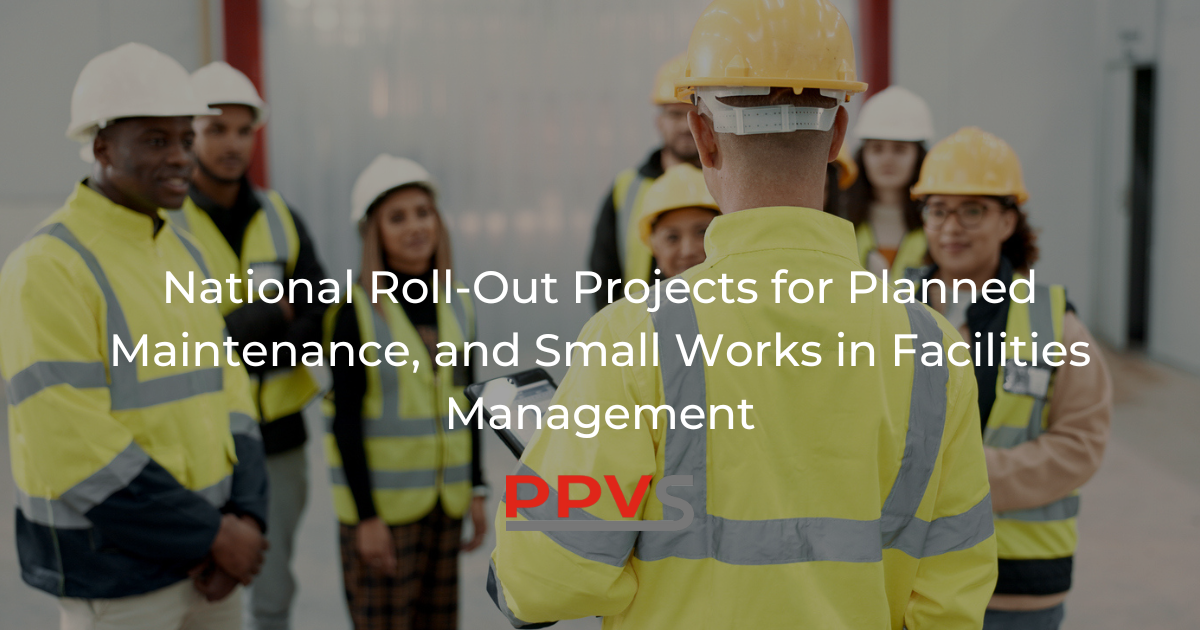
National Roll-Out Projects for Planned Maintenance, and Small Works in Facilities Management
Facilities management (FM) covers a broad suite of services and processes that ensure the functionality, comfort, safety, and efficiency of a building and its systems.
Find out more
Home > Uncategorized >
What is Access Control and How Does it Work?
Access control is the selective restriction of access to a premises. The purpose of access control is to deter unauthorised access while still allowing authorised access. There are many types, ranging from simple door locks to complex electronic access control systems.
In this article, we will explore the principles behind access control systems, different types, and we’ll be exploring how they work.
What is an Access Control System?
An access control system is a system that helps regulate and monitor who can enter and exit premises. It can be electronic or manual. This type of system restricts access to certain areas, screens who is coming and going, and tracks entry and exit times. So what are access control systems used for?
- To prevent trespassers from entering restricted areas
- To give authorised users access to certain places
- To track the movement of individuals within the physical area or object
Why is Access Control Important?
An access control system is essential for physical premises for several reasons. First, it helps to ensure the safety of employees, customers, and other visitors. By controlling who has access to the premises, you can help to prevent unauthorised individuals from gaining entry.
Second, an access control system can help improve your premises’ security. By controlling who can enter and exit the premises, you can help to deter and prevent crime.
How do Access Control Systems Work?
Access control for physical premises works like this:
- The building owner creates a policy that specifies who can enter the building and when.
- The building owner gives each person an identifier or unique ID. The Id identifies them and approves their entry into the building.
- Each time someone enters a room in the building, they must be given access by entering their identifier into an access system. The access system checks that they have been authorised to enter by following the policy set by the building owner.
Types of Access Control
There are various access control systems, each with its advantages and disadvantages. The type of access control system that is best for a particular place depends on the security needs of the premises and the organisation’s budget.
A Badge System
In a badge system, each authorised personnel is assigned a badge that they must use to gain access to the premises. Badge systems are generally easy to use and can be customised to allow different levels of access to different areas of the premises. However, badge systems can be vulnerable to theft or loss, and can be bypassed if an unauthorised person obtains a badge.
Key Card System
In a key card system, each authorised personnel is assigned a key card that they must use to gain access to the premises. Key card systems are more secure than badge systems because key cards can be programmed to allow or deny access to specific areas and can be deactivated if lost or stolen. That said, key card systems are more expensive to implement and maintain than badge systems.
Biometric System
Authorised individuals are granted access to the premises in a biometric system using their unique physical characteristics, such as their fingerprint, iris, or voice. Biometric systems are more secure than key card systems, as they cannot be lost or stolen and are very difficult to replicate. Unfortunately, biometric systems can be more expensive to implement and maintain and may not be ideal for all types of businesses.
Card Readers
A card reader is a device used to read cards and other forms of electronic identification used in access control systems. It may be necessary for employees entering the premises to swipe their card (or insert it into the reader) before being allowed in. The disadvantage of using a card reader is that it does not allow identification of the person who has accessed the building or property.
Gates/Gate Barriers
Gates or gate barriers can be used to control access to a parking lot, building, or other premises. Gates can be opened and closed manually or automatically, and can be controlled by an access system. The advantage of using gates is that they can be easily closed to prevent unauthorised entry to larger areas.
In Conclusion
Access control systems accessible to people are just one of the many types of security you can use to help keep your business safe. While these systems do not offer 24/7 surveillance, they do provide an extra layer of protection when it comes to keeping your business premises safe.
The Latest News & Industry Insight
16.12.24
What is a Disaster Recovery Plan?
A robust Disaster Recovery Plan (DRP) is essential in minimising downtime and ensuring properties - from hotels to real estate assets - resume trading and operations swiftly.
Find out more
16.12.24
National Shopfitting Works: Quarterly Refreshes and Retrofit Projects
National shopfitting works, undertaken through quarterly refreshes and retrofit projects, help to ensure that retail spaces are both aesthetically pleasing and also functionally up-to-date.
Find out more
16.12.24
National Roll-Out Projects for Planned Maintenance, and Small Works in Facilities Management
Facilities management (FM) covers a broad suite of services and processes that ensure the functionality, comfort, safety, and efficiency of a building and its systems.
Find out more

Get in touch to see how we can help with your Facilities Management.
For general enquiries please fill out the form and our team will be back in touch. Or give us a call or email using the details below.

